How finishing materials influence the way sound is perceived at home
Sound inside a home rarely becomes a topic of discussion until it starts to cause discomfort. Echo in the living room, reverberation during conversations, the metallic sound of footsteps, or growing fatigue after spending longer periods in one space, all of these are signs that the interior is not acoustically working harmonizing with its occupants.
And yet the goal is not complete silence, but sounds that feel soft, natural, and non-intrusive. Specialists from Cork System are well aware that the right materials can effectively address this issue.
When interiors start to “give sound back”
Modern interiors are often built around hard, smooth surfaces such as concrete, porcelain tiles, glass, or lacquered cabinetry. These materials reflect sound waves very efficiently, making conversations sound sharper and everyday noises accumulate more quickly. As a result, a space may look calm and minimal, while acoustically remaining irritating. This is not a matter of style, but of physics. Hard surfaces do not absorb sound, they return it. That is why even large, open apartments can feel loud and tiring, especially when used for longer periods.
A material that reduces reverberation
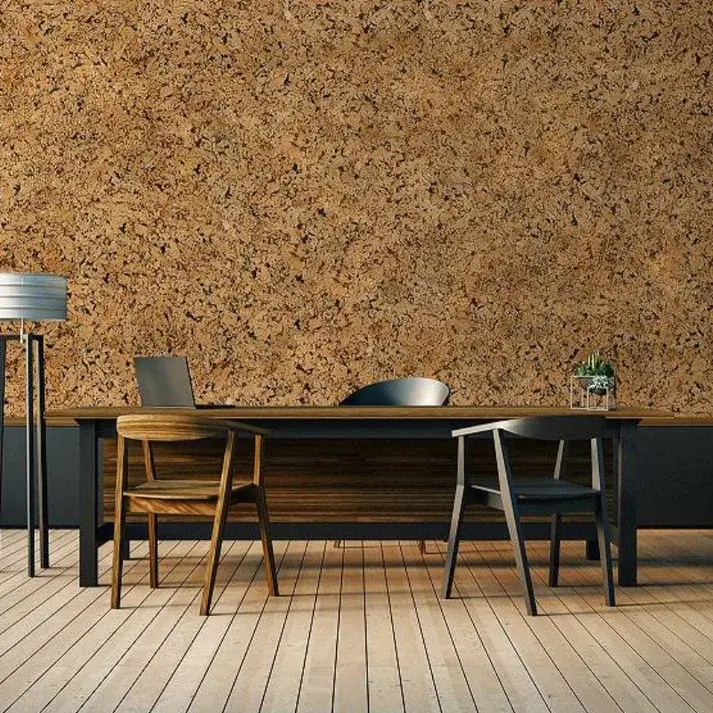
Cork behaves differently from most common finishing materials. Its structure disperses sound instead of reflecting it, which makes the acoustic character of a room feel softer and more comfortable to the ear. The aim is not to eliminate sound entirely, but to limit reverberation and sharp reflections.
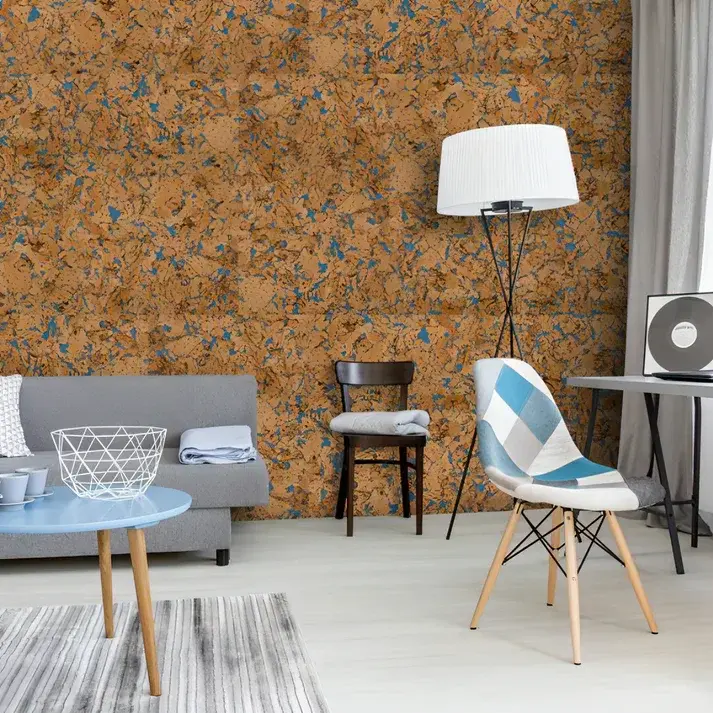
Conversations sound more natural, footsteps are less pronounced, and the interior no longer “resonates” with every movement. This effect is why rooms finished with cork are often perceived as calmer, even if the overall sound level has not changed significantly.
Acoustic comfort and everyday fatigue
Noise does not have to be loud to be exhausting. Constant echo, amplified high frequencies, or sounds bouncing off walls can be enough to cause irritation or reduced concentration after just a few hours. For this reason, acoustic comfort is increasingly seen as an important part of overall quality of life. Cork helps reduce this type of fatigue because it does not intensify the sounds already present in a space. The interior stops feeling acoustically “aggressive” and becomes more supportive of daily activities.
Also Read


Sound as part of a room’s atmosphere
A well-designed interior engages more than one sense. Beyond light, temperature, and surface texture, the way a space sounds also matters. Cork fits naturally into this holistic approach. It does not dominate visually, yet it has a tangible impact on how a room is experienced. Here, sound does not disappear, it simply stops getting in the way. And that difference is largely shaped by finishing materials, which may look similar at first glance but behave very differently once the space is in use.